How Much Alcohol is in Wine?
 By Woodwork Brooklyn Team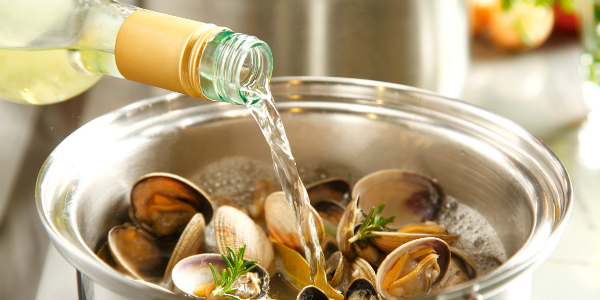
Wine is an essential exotic beverage that is quite famous in the elite group of people. It's fermented, and a bit of alcoholic punch gives its significant sharp and striking taste, strengthening with time. From a scientific view, alcohol is a by-product of fermentation. Due to the absence of oxygen, the fermenting agent (like yeast) breaks the raw materials' natural sugar and produces ethyl alcohol and carbon dioxide.
The raw material for the preparation of wine varies from region to region. Still, most fruits (grapes, berries, etc.) or grains (barley, rice, etc.) of high sugar or carbohydrate content are used as a fermentation raw material. In contrast, yeast or some wild strains of bacteria are used as the fermenting agent. They have the particular enzyme zymase that helps them in the anaerobic conversion of simple sugar into simple alcohols.
What Percent of Alcohol is in Wine?
It depends on the geological factors, used raw material, fermenting agent, and others that determine the wine's alcohol content. Broadly, a fine and untampered wine may have 5% to 23% ABV (alcohol by volume, i.e., percentage of ethyl alcohol present in every 100 ml. Of wine).
While on average, the wine consists of 12% alcohol concentration, as above it the yeast may poison itself with its by-product of alcohol hence leading to death ultimately, but some strains of bacteria or various yeasts (known as high alcohol wine yeast) have a high tolerance towards much higher concentrations of alcohol. Hence the content of alcohol is much higher in few wines. Here are a few worldwide known wines with their respective alcohol content:
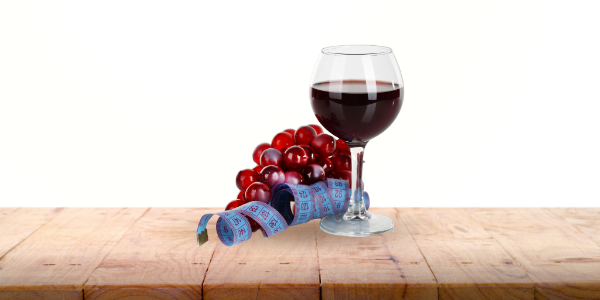
Red wine is prepared from black grapes' raw material with more sugar content and a concentration of alcohol, about an average of 13.5%ABV(between 12% to 15% ABV).
White wines are fermented over less ripe sugars and have a concentration of 5% to 14%(i.e., an average of 10%)ABV.
Looking for low alcohol wine alternatives, wine coolers have a 4-6% concentration, as it's generally diluted with fruit juice, carbonated beverages, and sugar. Non-alcoholic wine, on the other hand, contains less sugar than grape juice, but the flavor and complexity are the same as the wine with alcohol.
Sometimes known as 5% alcohol wine, sweet wine has less than 10%ABV due to its high sugar content. Few of them are moscata, riesling, and sauvignon blanc well-acquainted sweet wines. Specifically here, Moscato is a recognized sweet wine from Italy made from grapes used to make raisins, which provides its iconic sweet peachy and orange color with a tangy nature.
Rose wine has a beautiful tint of rose pink falling in the spectrum between red and white wine and has a standard content of 12% ABV.
Port wine is contaminated with distilled grape spirit, thus has a uniquely high concentration of 16% to 20% ABV, with an average of 18% ABV as standard.
A famous type of wine in Japan but initially originated in China. Plum wine is known for its sweet and sour taste as it is made from plum with added sugar that gives it characteristics of dual taste, with an average alcohol content of 12% ABV.
How Long to Boil Wine to Remove Alcohol?
Suppose a well-known chemical property of alcohol is utilized. Is its high volatility helps alter the wine's alcohol content as it could be evaporated from the beverage? But here is a loophole, no matter how much it is cooked. It is almost impossible to remove all alcohol traces from the original wine reduction, I.e., an alcoholic wine could not be converted into a non-alcoholic wine just by cooking itself.
Sometimes, boiling wine over a non-stick utensil with a large surface area like a pan could be the trick to help in the evaporation of natural alcohol. As much as 85% of the alcohol content of the wine could be removed with boiling alone. The natural sugar of the reduction caramelizes to give additional sweet and bitter flavor.
How Much Wine is in Cooking Wine, and How to Reduce it?
Many wines could be used in cooking, but particularly cooking wine is prepared regarding culinary procedures. Hence they have a high concentration of salt in them and a comparatively high amount of alcohol, between 12% to 20% ABV, as while cooking, a lot of alcohol and salt could be evaporated or absorbed in the dish. Some of the well-known wines suitable for cooking and their respective content of alcohol is as follows:
- California Zinfandel- 15%~16%ABV
- Port- 16%~20%ABV
- Madeira-~20%ABV
- Marsala-~20%ABV
- Sherry-15~20%ABV
Some of the other high alcohol wines with inexpensive cost range are Beringer, Barefoot, and Josh Cellars, which have a fair concentration of 10% ABV.
For removing the majority of alcohol from wine, various cooking techniques like boiling, flaming, baking, etc. Could be opted, as boiling evaporates almost 85% of the alcohol, while flaming reduces the content by 75% as ethyl alcohol, the naturally occurring alcohol in wine, is highly inflammable. Due to its relatively high volatility and very less latent heat of evaporation, if kept open overnight in a refrigerated environment, about 70% of the alcohol could be reduced at hand due to evaporation. But the most turning aspect of wine reduction is baking. For different periods, the various alcohol concentrations could be obtained, such as 25 minutes of baking could reduce the content from 45%, while almost two hours will have only 5% remaining of all the alcohol.
What is the Highest Percentage of Alcohol in Wine?
As mentioned earlier, the average alcohol by-product in the fermentation of the wine is around 14.5% alcohol, while drinking the wine is estimated to have at least 11.6%ABV, hence any wine with 11.6% or more percent of alcohol comes in the category of high alcohol wines.
Conclusion
The amount of alcohol in the wine depends on raw materials used for fermentation, ways of winery and factories, quality of fruits, availability of distilled spirits, and other appropriate factors. But the essential noticing element is to note the type of wine at the time of purchase as the alcohol content is mentioned in most products with sugar and other nutrients follow-ups.

No comments yet. Be the first to comment!